Applications are traditionally built as a monolith. This usually means that any small change to the client-side user interface or the server-side application has to be rolled out as a new version. And when you’re scaling up, the entire application has to be scaled up, even if there’s higher demand only for some aspects of […]
SaaS: Making Cloud Available for All
While cloud computing models like IaaS or PaaS are used mostly by organisations and IT professionals, SaaS (Software as a Service) is the cloud model the general public uses most, even if they are not aware of it. SaaS is known for its quick deployability, easy scale-up, and subscription model. It also relies heavily on […]

What Is PaaS? Advantages, Disadvantages and Types of Platform as a Service
Quick answer: Platform as a Service (PaaS) is a cloud model where a vendor gives you a ready-to-use development platform. You write and upload code, and the vendor manages the servers, operating system, middleware and database. PaaS sits between SaaS and IaaS. Key takeaways What is PaaS (Platform as a Service)? With Software as a […]

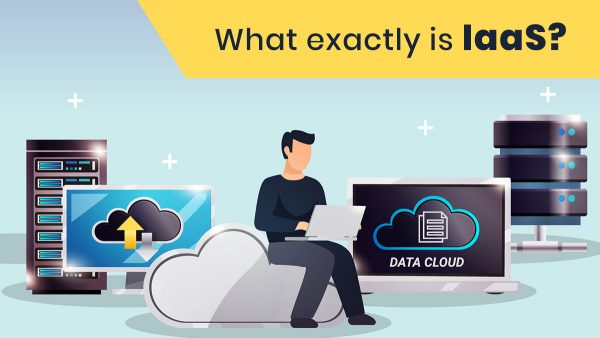
What Is IaaS? Infrastructure as a Service Explained
IaaS (Infrastructure as a Service) is a cloud computing model where a provider delivers virtualized computing resources (servers, storage and networking) over the internet on a pay-as-you-go basis. You manage the operating system, middleware and applications. The provider manages the physical hardware, virtualization and data center. IaaS is one of the three main types of […]
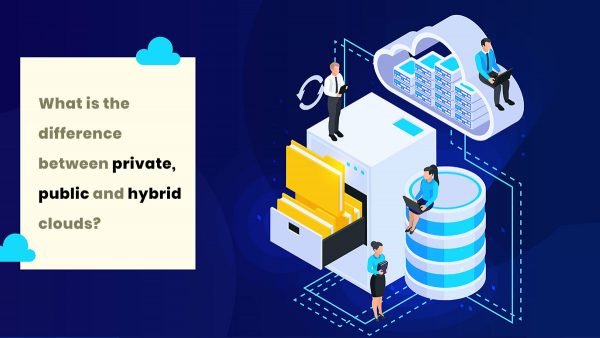
Public vs Private vs Hybrid Cloud: What’s the Difference?
Quick answer: Cloud systems are deployed in three main ways. A public cloud shares hardware and networks with other users. A private cloud dedicates isolated resources to one organization. A hybrid cloud combines both, keeping sensitive workloads private and running the rest on public infrastructure. Public cloud is the cheapest and easiest to scale, private […]